There is growing, persuasive evidence that music is effective and impactful in dementia care—improving mood, alleviating anxiety and distress, and supporting connection, communication, and relationships.
Take Note is a new set of music‑based resources that make it more achievable for caregivers of people living with dementia to bring person‑centred, meaningful music into their day‑to‑day care toolkit.
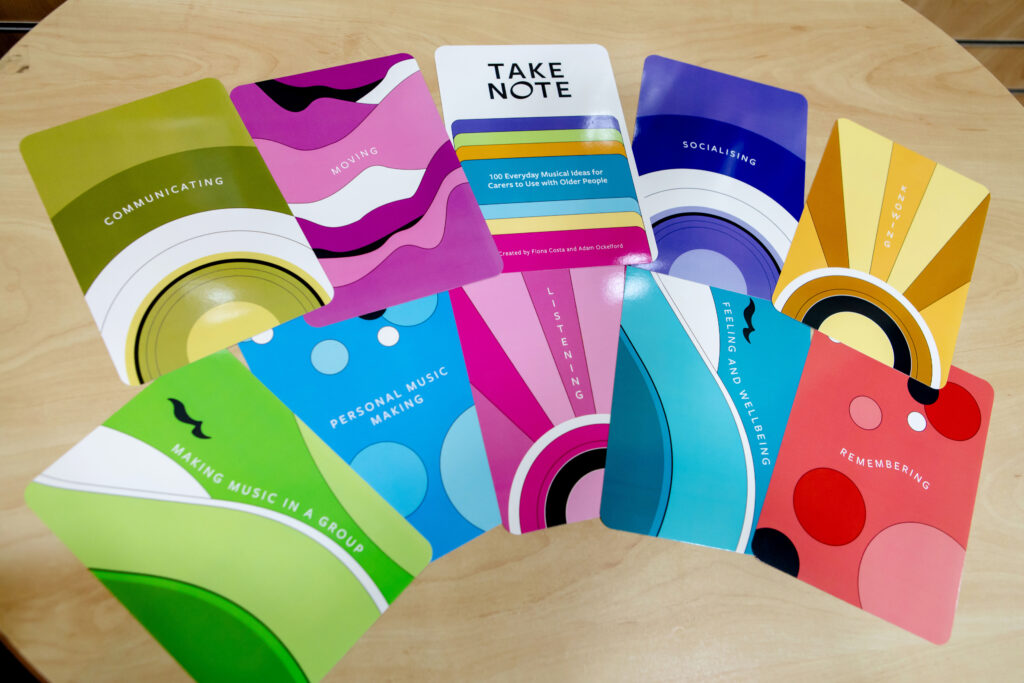
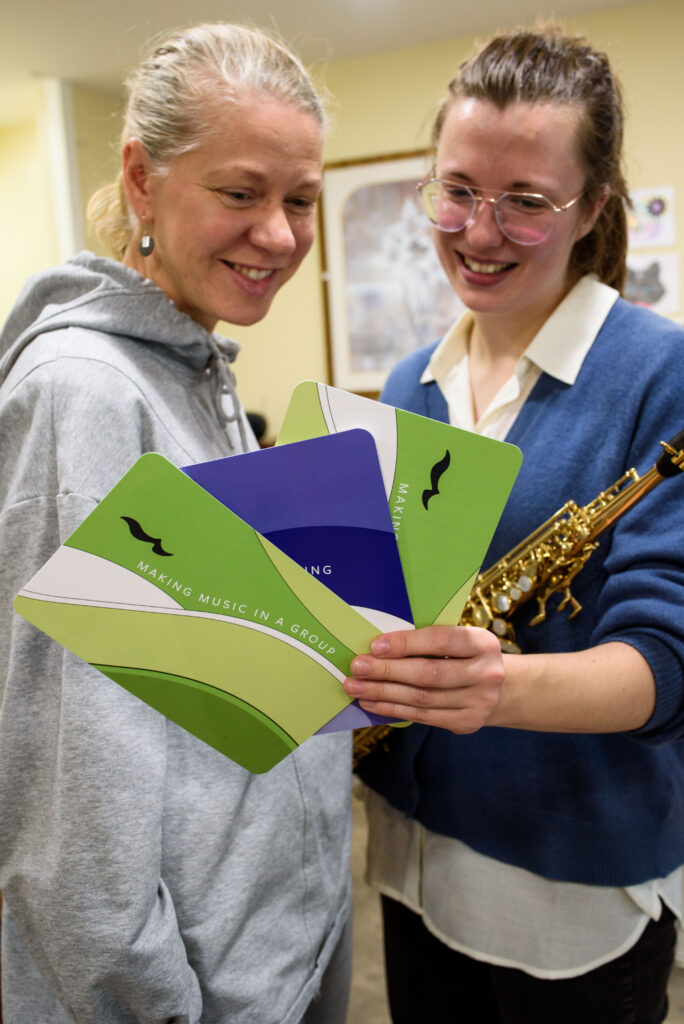
The resources have been developed by researchers at the University of Roehampton and Sounds of Intent. They can be purchased as a set of cards through major booksellers like Amazon and the Alzheimer’s Society shop, and they can also be accessed online for free.
Dr. Fiona Costa and Professor Adam Ockelford created the resources, which contain 100 music‑based activities for older people—especially those living with dementia—based on over 50 research studies highlighting music’s effectiveness in dementia care.
Live Music Now supported the development of the resources, with sponsorship from the Rayne Foundation and the Linbury Trust.
Key Features of the Take Note Resources
- Accessibility: Designed for use by anyone, regardless of musical training or ability.
- Format: Ideas are presented on easy‑to‑use printed cards, complemented by a website with illustrative videos and musical materials.
- Categories: Activities are organised into themes such as listening, personal music‑making, group music‑making, and using music to improve mood and reduce anxiety.
- Benefits: The resources help people with dementia engage socially, express themselves, and find comfort and familiarity in music from their past.
Take Note in Action: Live Music in Care
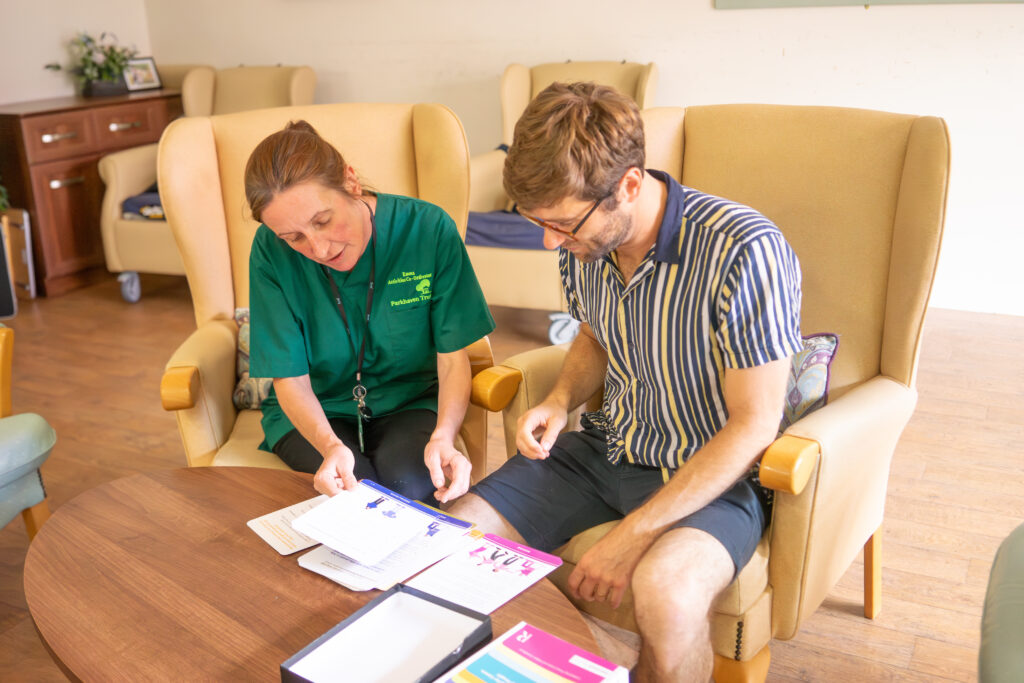
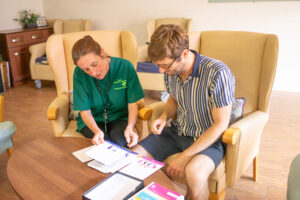
Live Music Now is now using the resources in our existing Live Music in Care programme, in care settings across England, Wales, and Northern Ireland. In this programme, trained professional musicians work with carers to increase their confidence and skills in using music, and to increase the impact and effectiveness of this work. Take Note now features as a standard part of the programme, with musicians helping care‑team members access and use the resources with the residents they support.
A professional carer who worked with us on this programme said she was:
“Growing in confidence with my musical abilities and leading a music group when I am not a super musical person!”
We see this having a positive impact on carers’ wellbeing and job satisfaction, giving them effective new ways of supporting, engaging, and relating to the people they care for:
“Thank you so much to Mared and Lydia. They were wonderful with the residents and very supportive of myself and the group. It has been a pleasure to work with them and explore ways to incorporate music into future activities!”
Madeline Vella, the Activities Coordinator and Deputy Manager at Params Care Home—where we have delivered two recent residencies—has embraced the use of Take Note following support from Live Music Now musicians Urska Horvat and Helena Svigeki.
She shared:
“Using them is very simple, with good clear instructions on each card. Each card gives you an idea of a topic which is easy to understand and useful. They have given us direction and fresh ideas. The cards give me ideas that I can then elaborate on. I find this supportive—implementing an idea, gaining confidence, seeing the outcome, and developing it.”
Another carer told us that, as a result of working with Live Music Now:
“I now understand how to lead a well‑structured music activity that is engaging and different each time. And more importantly this time round, how to create an original piece of music together.”
Take Note helps make music‑making more achievable and accessible for carers who might not consider themselves musical. The resources include lots of manageable ideas for people who are not confident, and ways to link them effectively to the dementia‑care experience.
The Live Music Now programme is helping carers gain confidence to use these resources effectively and integrate them on an ongoing basis in their day‑to‑day care. This is also having a positive impact on carers’ wellbeing and job satisfaction.