Four Welsh musicians are developing their practice in inclusive music-making through work in specialist schools, learning how to respond to pupils with complex needs in real time.
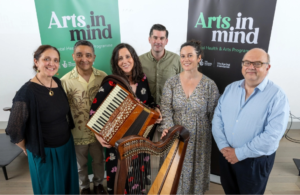
Through Live Music Now’s Inspire Level 1 programme Billy Thompson, Lowri Evans, Megan Rushbrook and Michael Blanchfield took part in residencies at Portfield School in Pembrokeshire and Heatherwood School in Doncaster during 2025–26. The programme supports musicians to build practical skills in inclusive practice while working in real school settings with pupils and staff.
Working with mentors Tara Baggott and Jamie Roberts, the musicians collaborated with pupils with a wide range of needs, including those with profound and multiple learning disabilities (PMLD). The focus was on developing practical skills—listening closely, recognising different forms of communication, and adapting musical activity to each pupil’s responses.
“Everyone was involved”
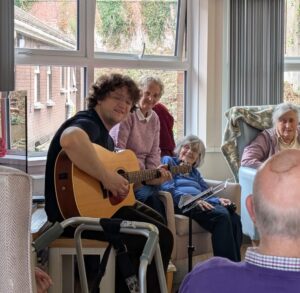
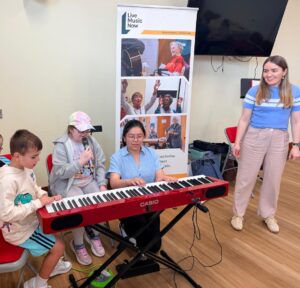
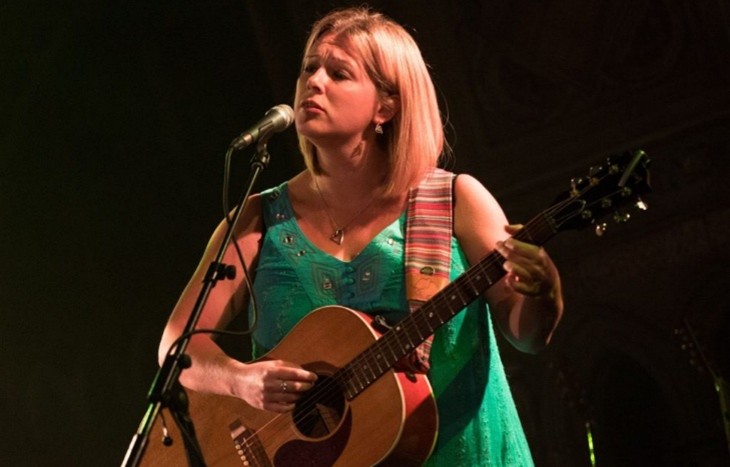
At Portfield School, the musicians used simple musical ideas, classroom instruments and sensory materials to create ways for every pupil to take part. Some joined through sound, others through movement or small gestures. Not every response was obvious—but it counted.
“Everyone was involved, no matter what their needs were.”
-Lowri
Over three days, staff observed pupils becoming more settled and more willing to take part. Teachers also pointed to wider benefits, including support for emotional regulation and increased confidence. Mentor Tara Baggott noted that both musicians grew in confidence as they developed their ability to lead sessions while responding to pupils in the moment.
Noticing the smallest signals
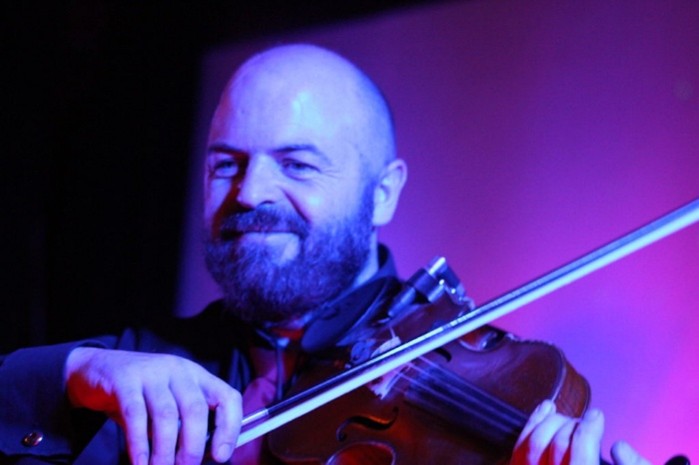
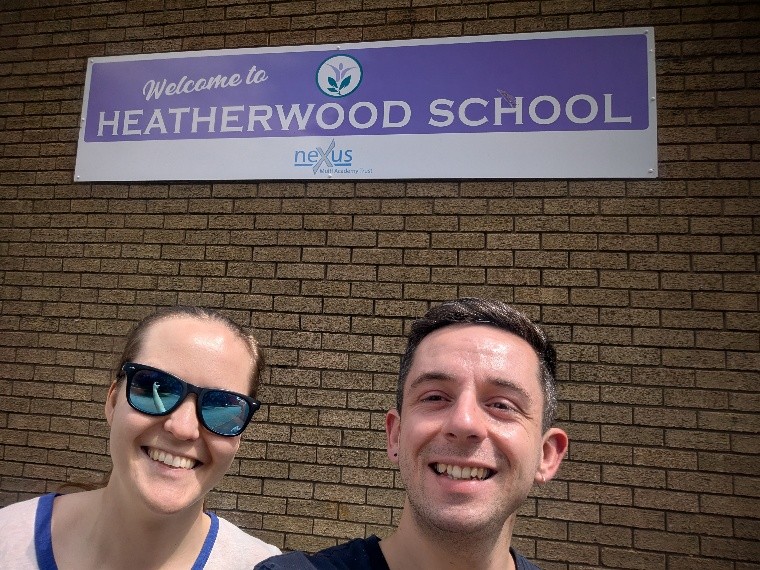
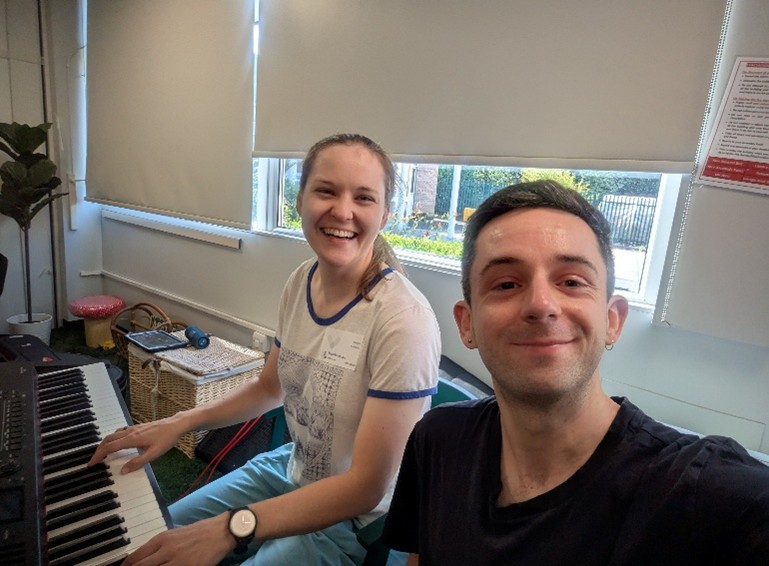
At Heatherwood School, Megan Rushbrook and Michael Blanchfield worked closely with pupils, often one-to-one or in small groups. They focused on recognising different forms of communication in the moment and responding through music. Michael said, “Staff helped us notice each individual’s ways of engaging, even just through their breathing or eye movements”.
By the second day of the residency, staff reported changes in attention and engagement. As one teacher noted, pupils became “more attentive and responsive, turning heads and making fleeting eye contact with musicians.”
Building momentum
Across both schools, the residencies created space for pupils and musicians to connect through music in open and responsive ways.
For pupils, this meant:
- more consistent engagement in sessions
- new ways of communicating through sound and movement
- opportunities to explore and interact with others
- growing confidence in shared musical activity
For musicians, it meant:
- developing inclusive facilitation skills
- learning to recognise subtle forms of communication
- gaining experience in specialist education settings
- building confidence in flexible, pupil-led practice
Teachers at both schools said the impact built over the course of the residencies. At Heatherwood, staff noted that engagement improved day by day. As one teacher put it, “we wanted to carry on after 3 days as things became better and better.” They also highlighted longer-term value, including new ideas and greater confidence in using music to support communication, emotional regulation and wellbeing.
Learning to work differently
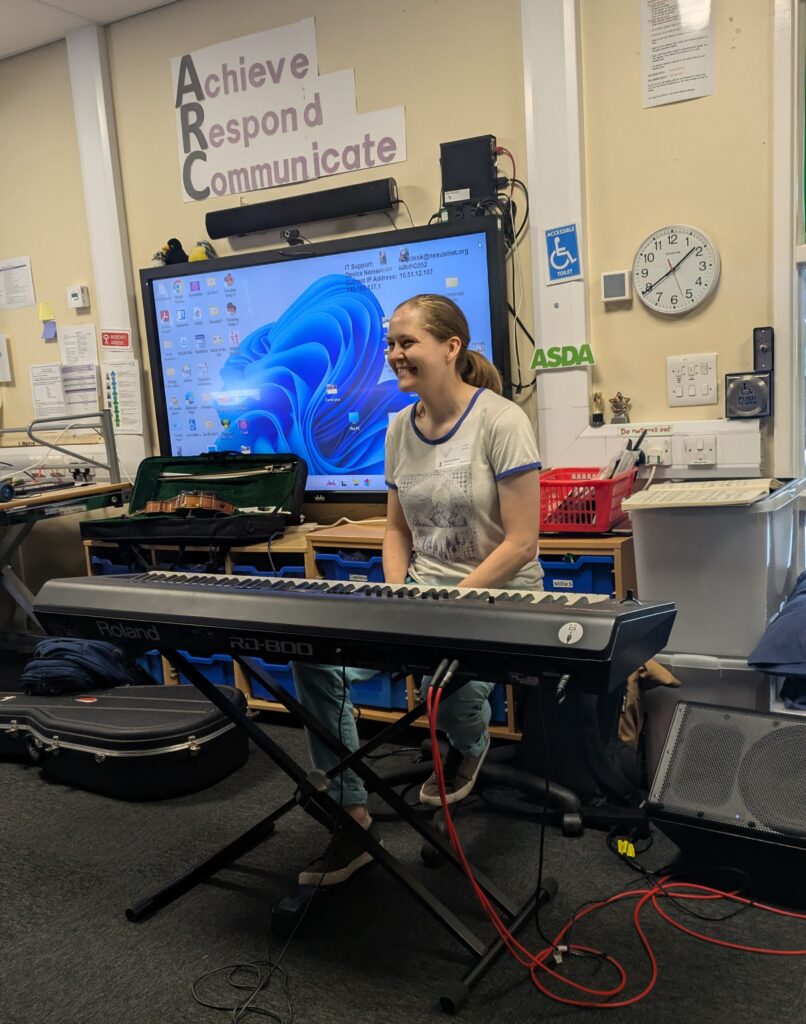
For the musicians, the residencies were less about delivering set sessions and more about developing their practice. They built skills in recognising non-verbal communication, responding in real time, and shaping musical interaction around each pupil. For pupils, the sessions created opportunities to engage, communicate and connect in different ways.
“I feel I have the toolkit — or the beginnings of one at least — to do this work by myself.”
-Megan
Impact of the Inspire model
These residencies show how the Inspire model supports musicians to develop practical skills in inclusive music-making, while also creating positive outcomes for pupils and offering new ideas for school staff. They show what can happen when musicians take time to notice, respond and adapt—treating even the smallest response as part of the music.
With thanks to Mayfield Valley Arts Trust and the Daniell Trust for their support of these projects.